Planning Permission vs Building Regulations – what’s the difference and do you need both?
This is one of the most common mix-ups in construction, understandably people assume that once the...


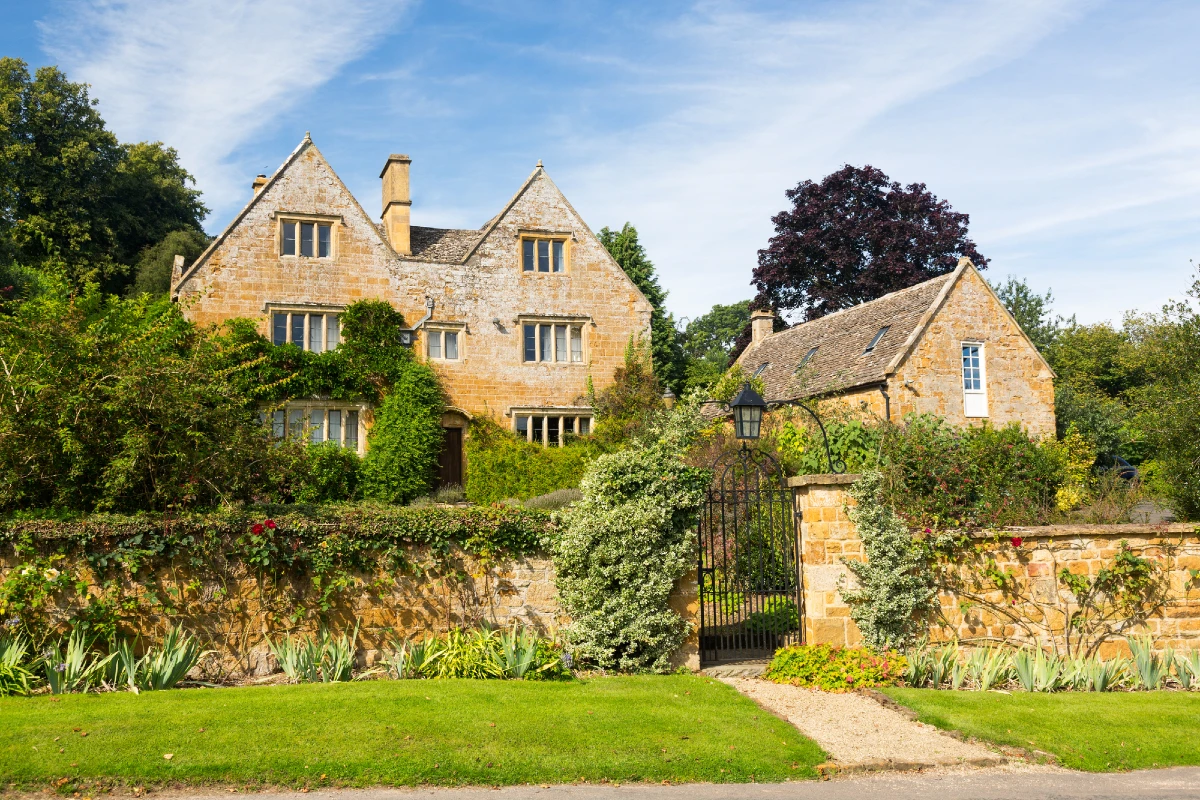
Cheshire has more than its fair share of beautiful heritage properties, and a good number of them sit inside conservation areas or carry a listing of their own. Both come with extra rules on top of ordinary planning permission rules that can catch out even well-intentioned homeowners, or even less experienced contractors.
A conservation area is simply an area your local council has designated as having special architectural or historic character worth preserving. Living inside one usually means several of your normal permitted development rights are reduced or removed altogether. So things like cladding your house, painting brickwork a different colour, certain extensions and outbuildings, satellite dishes, and some replacement windows and doors can all require planning permission that wouldn’t be needed on a similar house outside the boundary.
As well as the general conservation area rules, some councils go further with an ‘Article 4 Direction’ this removes permitted development rights across a defined area. Where one of these is in place, things as simple as a new front door or replacement windows can require planning permission when they otherwise wouldn’t. It’s always worth checking with the council whether your street has one before assuming anything is permitted.
Trees get special protection too, if you want to work on a tree over roughly 75mm in diameter within a conservation area, you must give your council six weeks’ written notice before you touch it, even if there’s no formal Tree Preservation Order in place. It gives the council a chance to decide whether the tree deserves one.
Listed status is a separate stricter system. Buildings are graded by Historic England in three categories, Grade I for buildings of exceptional national significance like Cathedrals or palaces, Grade II* for buildings of particular importance such as Town Halls, and Grade II for the majority of buildings of special interest and the grade which is most likely to apply to homeowners. The core rule is the same, any work likely to affect the building’s special character needs ‘Listed Building Consent’, separately from planning permission, and separately from building regulations too.
This is the point that most often catches people out, Listed Building Consent does not apply only to the exterior. Internal changes, such as removing an old fireplace, altering original room layouts, or replacing period features, may need consent just as much as an extension. Listings can also cover later additions, extensions, and even outbuildings, so it is easy to assume part of a property is unlisted when it’s not.
Unauthorised work on a listed building isn’t treated as a normal planning breach it’s a criminal offence, carrying an unlimited fine and up to two years’ imprisonment in serious cases. That’s a very different level of risk to an ordinary planning enforcement notice, and it’s exactly why we’d always recommend getting proper advice for your listed building project.
On the plus side, applying for Listed Building Consent is free (unlike a standard planning application), and decisions typically come within about eight weeks. A good application usually includes a short heritage statement explaining the building’s significance and how your proposed work affects it, for important projects it’s always worth getting a heritage consultant to help with the application and of course always work with a conservation-experienced contractor.
If your home is listed or sits in a conservation area, the golden rule is simple, check before you touch anything, however minor it seems. Get in touch with us at and we’ll help you work out exactly what needs consent, what doesn’t and how to put together an application that gives you the best chance of a smooth approval.
